
Insurance Claim Help for Roofing in Fort Collins, CO
We'll Walk You Through It
Filing a roof insurance claim isn’t something most homeowners do more than once every few years, and insurance paperwork has a way of feeling like it’s written in a different language. HWG Exteriors handles the documentation side of storm damage claims regularly, and we’ll explain what’s happening at each step so you’re not guessing your way through it. This page covers general information about how the process typically works — for questions specific to your policy or coverage, your insurance agent is always the best source.
How the Roof Insurance Claim Process Works
01
Document the damage first
Before you file anything, it helps to have a professional inspection on record. We photograph and document all storm damage we find, which gives you something concrete to reference when you speak with your insurance company.
02
File your claim
You'll contact your insurance company directly to open the claim. Having our inspection report in hand at this point can help make sure the claim reflects the actual extent of the damage.
03
Meet the adjuster
Your insurance company will send an adjuster to assess the damage in person. We can meet the adjuster on-site alongside you, walk the roof together, and point out anything that might otherwise get missed.
04
Review the settlement
Once the adjuster completes their assessment, your insurance company will send a settlement offer outlining what's covered. This is where terms like RCV and ACV come into play — more on that below.
05
Complete the repairs
Once you've accepted the settlement and scheduled the work, we complete the repair or replacement to manufacturer specifications.
06
Request a supplement if needed
If the initial settlement doesn't fully cover the scope of damage once work begins, we can document the discrepancy and help you request a supplemental payment from your insurer.
What Adjusters Look For
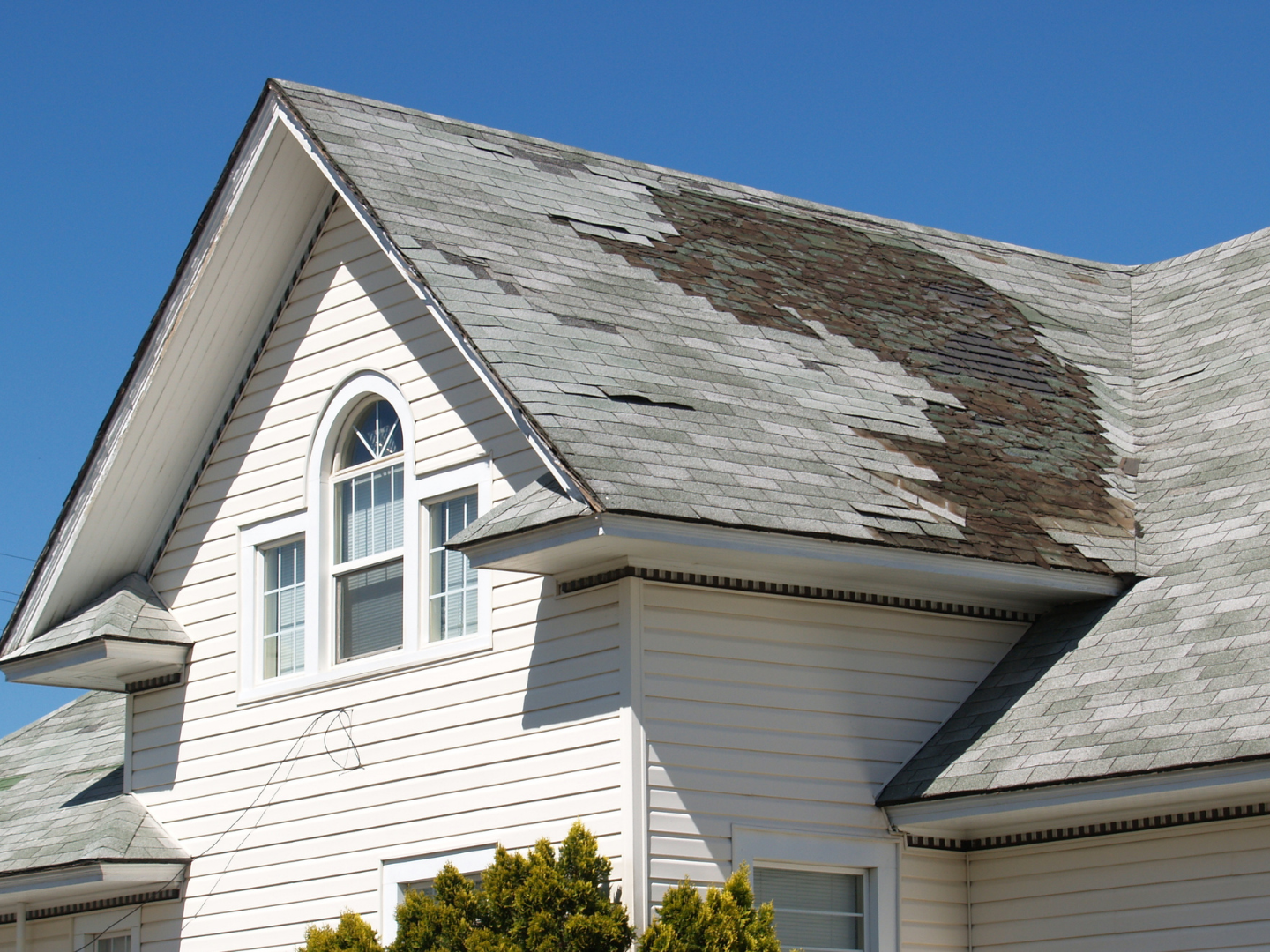
Insurance adjusters are typically looking for the extent and pattern of damage, whether it matches the storm event being claimed, and whether the roof’s condition prior to the storm might affect coverage. Having a contractor present during the inspection means someone familiar with roofing specifically is looking at the same damage the adjuster is assessing — which can help make sure nothing gets overlooked.
Understanding RCV and ACV
These two terms show up in almost every roofing insurance settlement:
- RCV (Replacement Cost Value) is what it would cost to replace your roof at today's prices, without any deduction for age or wear.
- ACV (Actual Cash Value) is the replacement cost minus depreciation for the roof's age and condition.
Many policies pay out the ACV amount first, then release the remaining “recoverable depreciation” — bringing the total up to RCV — once the work is completed and documented. If you’re unsure which type of policy you have, your insurance agent can confirm the specifics of your coverage.

A Few Common Questions About Deductibles and Discounts
Your deductible is the amount you're responsible for paying out of pocket before insurance coverage kicks in, and it's paid according to the terms of your policy — not something a contractor sets or adjusts. Some insurers also offer premium discounts for Class 4 impact-resistant roofing materials, since they're less likely to sustain hail damage; whether that applies to your policy is a question for your insurance provider.
Getting Started
If you've had a recent storm inspection through our hail damage page or need urgent repairs through our emergency roofing services, we can help connect that documentation directly to your insurance claim.
Frequently Asked Questions
Should I file a claim before or after getting an inspection?
It’s generally best to have a professional inspection first so you have documented evidence of the damage before you open a claim. This gives you a clearer picture of the actual scope before speaking with your insurer.
What's the difference between RCV and ACV?
RCV is the full cost to replace your roof at current prices. ACV is that amount minus depreciation for age and wear. Many policies pay ACV upfront and release the remaining depreciation once repairs are completed.
Can a contractor pay or waive my deductible?
No. Your deductible is a fixed obligation under your insurance policy, and covering or waiving it isn’t something a legitimate contractor can offer. Be cautious of any contractor who suggests otherwise.
Can I install a new layer of shingles over my existing roof?
Sometimes, depending on your current roof’s condition and local building codes, but it’s not always the right choice for storm-damaged roofs. We can assess whether a layover or full tear-off makes more sense during your inspection.
What if my insurance settlement doesn't cover the full scope of the damage?
We can document any discrepancies between the approved settlement and the actual damage, and help you submit a supplement request with additional evidence to support a revised payout.

Ready to Get Started?
If you’re dealing with a recent insurance claim or just want a clearer picture of your options, HWG Exteriors is here to walk you through it.
Call (970) 893-9006 or request a free consultation online.