

Roof Leak Repair in Fort Collins, CO

Small Leaks Don't Stay Small

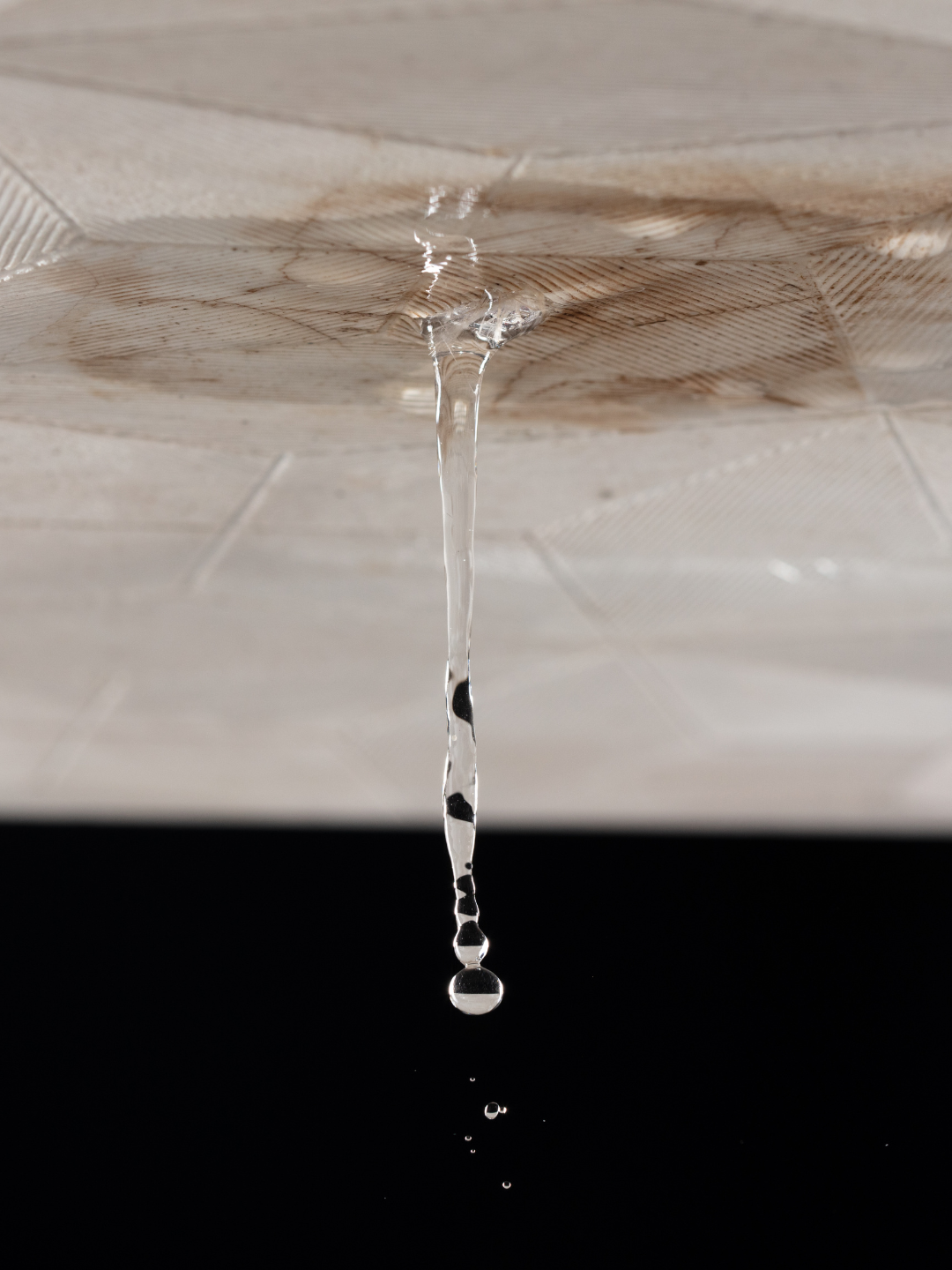
A roof leak rarely announces itself right away. By the time you notice a water stain on your ceiling or feel a soft spot in your attic flooring, the leak has usually been active for a while, working its way through insulation and framing before it ever became visible. HWG Exteriors diagnoses and repairs roof leaks throughout Fort Collins, tracking down the actual source rather than just patching the spot where water happens to be showing up inside.

If water is actively coming through your ceiling right now, our emergency roofing team can respond faster than a standard repair appointment.

Common Causes of Roof Leaks in Fort Collins

Damaged or aging flashing

Flashing seals the joints around chimneys, vents, skylights, and roof valleys. It's a common failure point because it's exposed to more movement and temperature swings than the flat sections of roofing around it.

Ice dams

Colorado's freeze-thaw winters can cause snow to melt and refreeze at the roof's edge, forming a dam that pushes water back under the shingles instead of letting it drain off normally.

Storm damage

Cracked or lifted shingles from hail or wind create direct entry points for water. If your leak started after a recent storm, our hail damage page covers how to identify related damage.

Aging roofing materials

Shingles lose their sealing ability as they age, and a roof nearing the end of its lifespan is more prone to developing leaks even without a specific triggering event.

Clogged or damaged gutters

When gutters can't drain properly, water can back up under the roof edge instead of flowing away from your home. If your leak seems tied to gutter overflow, our gutters page covers repair and replacement options.

How We Diagnose a Roof Leak

Tracking down a leak’s actual source is often more involved than it sounds, since water can travel along framing or insulation before it drips down somewhere far from where it originally entered. We inspect the roof surface, flashing, and vent penetrations from outside, then check the attic and interior ceiling for signs of moisture tracking. Finding the true entry point the first time means you’re not paying for repeat repairs on the same leak.

Repairing the Leak

Once we’ve identified the source, the repair itself might involve replacing damaged shingles, resealing or replacing flashing, or addressing a ventilation issue contributing to ice dam formation. If the leak has caused damage to decking or insulation underneath, we’ll walk you through what needs to be addressed beyond just the surface repair.

Frequently Asked Questions

How do I know if I actually have a roof leak?

Water stains on ceilings, a musty smell in the attic, peeling paint near the roofline, or visible mold are all common signs. Some leaks are only caught during a professional inspection before they become visible indoors.

Ice dams form when melted snow refreezes at the edge of your roof, creating a barrier that forces water to back up under the shingles instead of draining off normally. Proper attic insulation and ventilation can help prevent them.

Yes. Even a slow leak can lead to insulation damage, wood rot, and mold growth over time, since the damage often continues out of sight long before it becomes visible.

It depends on the cause. Leaks tied to a specific storm event are more commonly covered than leaks from gradual wear and aging materials, though your policy’s terms determine the specifics. Our insurance claim help page walks through the general process.

As soon as possible. Leaks tend to cause more damage the longer they’re left unaddressed, even if the visible symptoms seem minor at first.

Get a Free Leak Inspection

If you’ve noticed water stains, a musty attic smell, or any other signs of a roof leak, HWG Exteriors can find the source and get it fixed.

Call (970) 893-9006 or request a free leak inspection online.

Scroll to Top